Empowering Cancer Survivors: Essential Resources and Support for Your Journey
Navigating the intricate pathways of cancer care can often feel like wandering through a dense forest—disorienting and daunting. Yet, just like every journey, there are signs to guide us along the way. Welcome to this comprehensive guide on cancer care resources, tailored specifically for cancer survivors and those currently navigating their paths. In this oncology blog, we will explore how knowledge and support can light the way, turning fear into empowerment and uncertainty into actionable steps for survival. So, whether you’re seeking to understand symptoms, explore treatment options, or connect with relevant patient resources, you’re in the right place.
First things first—what are the crucial elements of cancer support that every survivor should know? It starts with education. Understanding your cancer diagnosis, whether it be through enlightening cancer education resources or latest medical news, is essential in facing the challenges ahead. Did you know that having a good grasp of your tumor research can significantly impact your treatment pathway? Knowledge dispels fear, which is why it is vital to stay informed about ongoing oncological studies and clinical trials that may bring new hope. As you put your journey in perspective, consider this: 'The more you know, the more empowered you are.' How often do we underestimate the power of knowledge?
Once you have armed yourself with the necessary information, we must turn our focus to the importance of support systems. Imagine navigating choppy waters without a lifebuoy—support is your buoy in times of stormy seas. Joining a cancer advocacy group or attending community support meetings can not only broaden your network but also introduce you to individuals who resonate with your struggles and victories. Furthermore, mental health in cancer is a critical aspect many overlook. How do you manage the emotional toll that comes with a diagnosis? Finding a therapist specializing in oncology can provide you with the tools to cope with anxiety and depression that may crop up during your cancer journey. Remember, you're not alone in this battle.
As you seek out these patient resources, let’s not forget the role of lifestyle changes in the journey towards cancer survival. Incorporating nutrition and cancer preventive measures into your daily routine can be life-changing. Engaging with health blogs dedicated to cancer care can provide valuable insights about what you should consume and what to avoid to support your body pre-and post-treatment. Have you ever thought about how powerful a whole foods diet can be? It's your ally against cancer. Filling your plate with fruits, vegetables, whole grains, and healthy fats isn't just beneficial; it's transformative. Alongside these dietary changes, integrating regular exercise into your routine is equally vital for both mental and physical well-being.
Last but not least, we cannot overlook the necessity of quality palliative care. This form of care focuses not just on managing cancer symptoms, but also on improving your overall quality of life. Whether through pain management strategies or emotional support, palliative care encompasses a holistic approach to healing. It asks the profound question: What brings you joy? Exploring aspects of life outside cancer—hobbies, travel, or even time spent with family—can rejuvenate your spirit. By investing in your happiness, you pivot from merely surviving to truly thriving during and after cancer treatment. In the end, embracing this multifaceted approach to cancer care not only empowers you but connects you to a vibrant community of survivors who light the way as you navigate your path.
From Research to Recovery: The Crucial Role of Support in Surviving Cancer
Navigating the tumultuous waters of a cancer diagnosis can feel overwhelming. With so much at stake, understanding the journey from research to recovery is crucial for anyone facing this battle. The cancer survivor's journey is not just about overcoming a medical condition; it's about embracing a new way of life. It's about finding strength in a community that understands your struggles and celebrating victories—big and small. Each patient's experience is unique, but the thread of support weaves all stories together, reinforcing the idea that no one should ever face cancer alone. So, how do we harness this power of support?
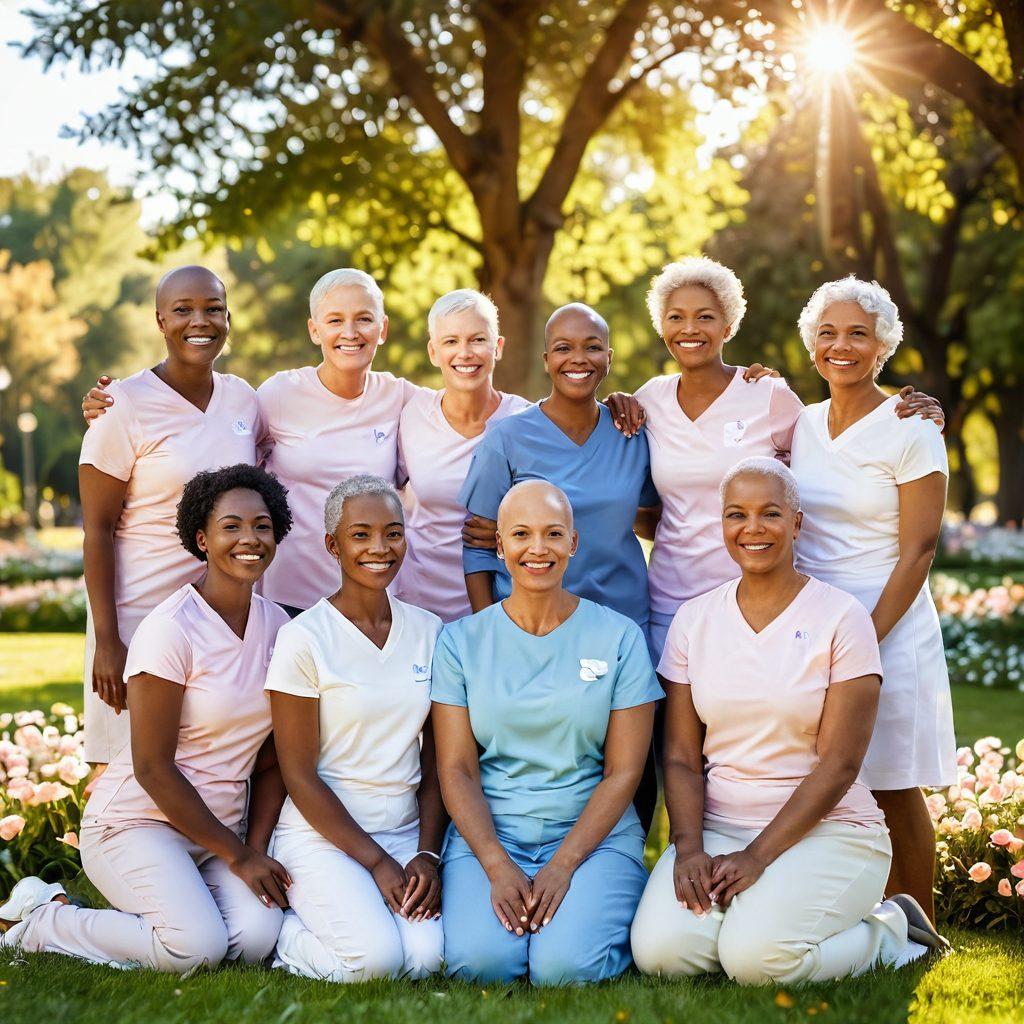
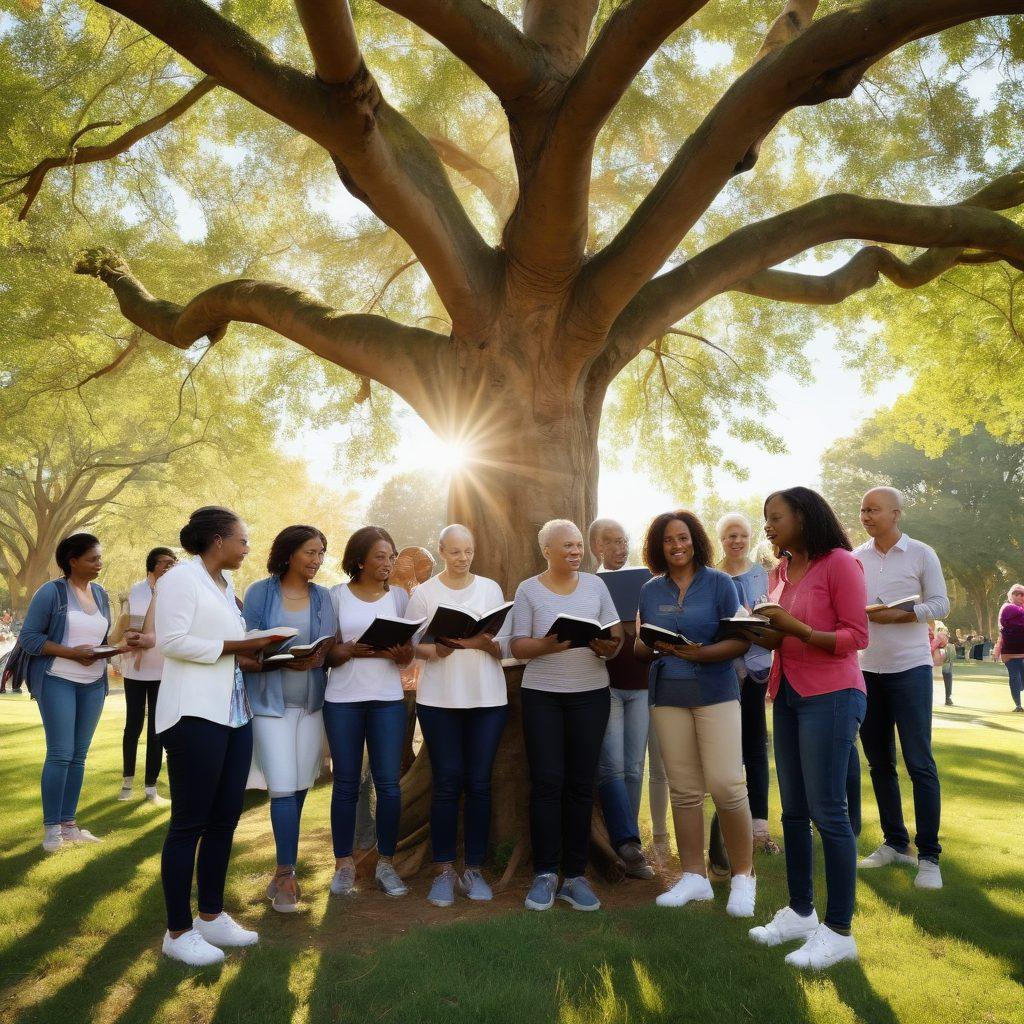
When it comes to surviving cancer, a robust support system is pivotal. Cancer support groups and communities provide safe spaces where survivors can share their experiences, fears, and triumphs. Imagine walking into a room filled with individuals who understand the nuances of the cancer journey; it's empowering! These support networks are not just for sharing heart-wrenching stories; they are bursting with valuable insights on cancer symptoms, treatment options, and even the latest findings in tumor research. As you engage in discussions, you may find actionable advice on lifestyle changes and nutrition that can bolster your health journey.
Interestingly, cancer education is increasingly inclusive of mental health in cancer care. This growing awareness underscores the fact that coping with a cancer diagnosis extends beyond the physical realm. Patients often grapple with anxiety about their health, fear of recurrence, and uncertainty about the future. This is where palliative care can shine, focusing not only on disease management but also on enhancing quality of life. Emotional support from family, friends, or mental health professionals plays a vital role, reminding patients that it's okay to seek help. Remember the quote: 'Your present circumstances don't determine where you can go; they merely determine where you start.'
Engaging with oncology blogs and health blogs can also provide up-to-date medical news and insights into ongoing clinical trials and oncological studies. Staying informed about the latest advancements in cancer research is empowering; it opens doors to potential treatment options and clinical trials that may be right for you or your loved ones. Why settle for outdated information when you can stay at the forefront of cancer survival? Find communities, websites, and platforms that prioritize updated information and encourage discussions on disease prevention and cancer advocacy. The more you know, the better equipped you’ll be to make informed decisions about your care.
As we reflect on the role of support in surviving cancer, it's essential to remember that this journey is about shared experiences and learning from each other. By actively engaging in forums and sharing our stories, we can foster a culture of health awareness that not only serves individual needs but also strengthens the entire community. Whether you’re a survivor or a supporter, remember that you play a crucial role in this interconnected web of hope and healing. So, let's commit to uplifting each other, creating networks of understanding that turn isolation into strength—because together, we are indeed stronger.
Empowerment Through Knowledge: Essential Insights for Cancer Survivors and Advocates
Knowledge is power, especially when it comes to navigating the challenging and often overwhelming journey of cancer survival. For many, the diagnosis is not just a personal battle but a wakeup call that prompts them to learn more about their specific cancer symptoms, treatment options, and the community around them. In the realm of oncology, knowledge transforms uncertainty into empowerment. Engaging with an informative oncology blog can provide survivors and advocates alike with essential insights that can aid in their journey. But where do we start on this path of knowledge?
For cancer survivors, understanding available resources is crucial. Cancer support groups, local health blogs, and reputable websites dedicated to cancer education can be invaluable. They serve as veils of comfort, connecting survivors to others who have walked the same path and facilitating conversations about everything from nutrition and cancer to mental health in cancer treatment. Questions may arise like, 'How can I adjust my lifestyle changes after treatment?' Or, 'What should I consider when exploring clinical trials?' These queries highlight the importance of reliable information, showcasing the need for a supportive network of patient resources and cancer advocacy.
As an advocate, your role extends beyond personal survival; it includes harnessing knowledge to uplift others in the community. Imagine the impact of sharing insights from recent oncological studies or medical news on social platforms. Gathering facts on disease prevention or participating in discussions about palliative care not only fortifies your advocacy efforts but also sheds light on treatment options for others who may feel isolated. After all, empowerment through knowledge gives survivors a sense of control that is often stripped away when faced with a diagnosis.
Consider the benefits of lifestyle adjustments that may come with a cancer diagnosis; it’s not just about surviving, it’s about thriving. Research shows that proper nutrition can dramatically influence cancer survival rates and the quality of life during and after treatment. Pursuing information on high-impact foods, food allergies, and dietary recommendations can spark conversations around personal choices regarding cancer care. Remember, every small change matters. In embracing these changes, survivors can inspire those around them to make healthier decisions, fostering a ripple effect of health awareness in their communities.
In conclusion, the journey of a cancer survivor is deeply complex, yet with the right insights at hand, it can also be incredibly empowering. By leveraging cancer education, patient resources, and encouraging dialogue surrounding mental health in cancer, survivors and advocates can revel in the shared strength of community. As we light the path with shared knowledge, we celebrate every step taken towards understanding and resilience. What will your journey of empowerment through knowledge look like?